
Mini Tales
LoadCompleteRole Playing
4.5208.00 Reviews
- Version
- 1.0.20
- Installs
- 100.00K
- Age Rating
- Everyone 10+
Screenshots
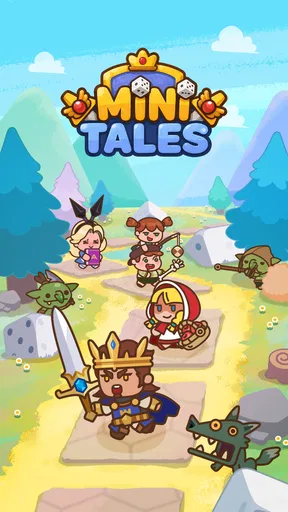
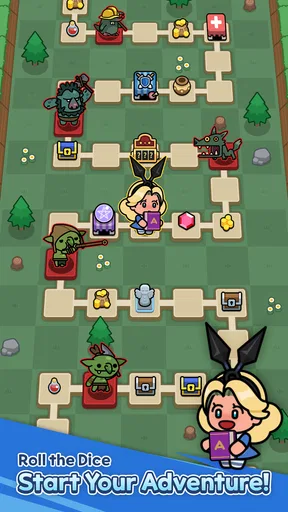
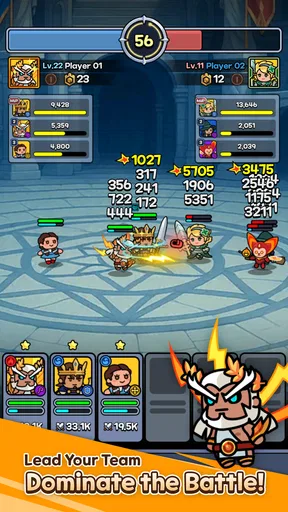
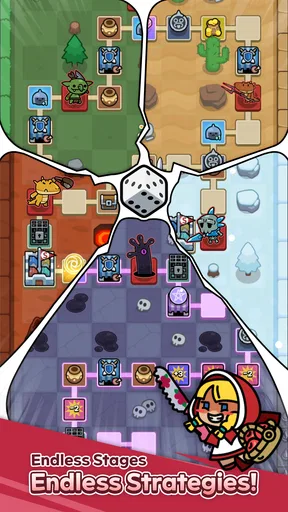
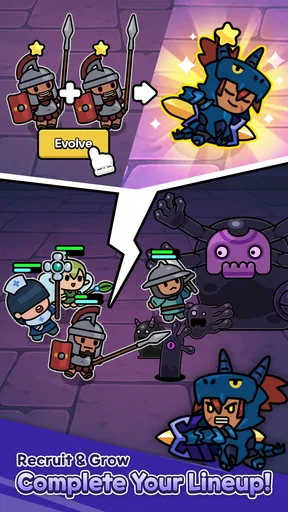
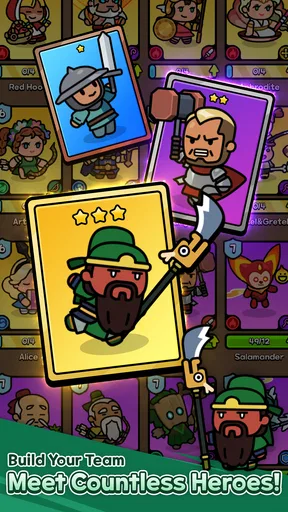
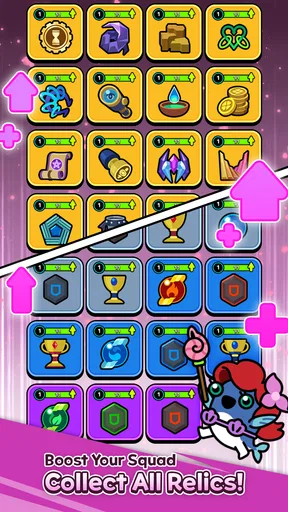
Our Review of Mini Tales
 Analysis by Appyee
I went into Mini Tales expecting a small role-playing game built around quick decisions, and that is exactly the space it occupies. Developed by LoadComplete, it combines a roguelike board journey with hero collecting, dice rolls, and boss encounters. The format is easy to understand, but the interesting part is how much of the experience depends on making sensible choices during a run rather than simply tapping through battles.
It is free to start, rated for Everyone 10+, and available for devices running Android 6.0 or later. The current version is 1.0.20. The game has reached over 100 thousand installs and holds a 4.5 average from around 26 thousand ratings, so there is already a meaningful player base around this compact RPG. In-app purchases range from $0.99 to $99.99 per item, which is worth keeping in mind before treating the free download as a completely cost-free experience.
What makes the board-RPG format work
The central appeal is the mixture of randomness and planning. Rolling a die gives each movement a little uncertainty, while the board structure turns that movement into a sequence of small decisions. You are not only asking whether your team can win the next fight; you are also thinking about what kind of space you want to reach, whether a reward is worth the risk, and how much strength you should preserve for the boss ahead.
That makes Mini Tales feel different from a conventional mobile RPG with a straight campaign map. In a typical alternative, progress often means selecting the next stage, repeating a mission, and improving characters between attempts. Here, the run itself carries more weight. A good result is not necessarily the run with the strongest heroes. It can be the run where you manage an awkward board position well and arrive at a difficult encounter with enough resources to respond.
The dice are not just decoration. They create the kind of uncertainty that can make a short session feel distinct from the previous one. At the same time, random movement can be frustrating when you are trying to reach a particular space or prepare for a boss. I found that the game works best when I accepted the roll as part of the puzzle instead of treating every unlucky result as a failure.
The hero-collecting layer gives the board journey a longer-term purpose. Building a useful group is more satisfying than simply watching numbers rise, because the value of a character depends on how that character fits the run you are trying to complete. Even without turning every session into a long optimization exercise, I found it helpful to think in terms of team balance rather than automatically choosing the newest or most visibly powerful hero.
The first points of friction are usually practical
Most players will understand the basic premise quickly, but the first few sessions can still feel less smooth than expected. There are several things happening at once: movement, encounters, hero growth, rewards, and boss preparation. If you tap through the early explanations too quickly, it becomes harder to remember why a particular choice mattered when the board becomes less forgiving.
My advice is to treat the opening run as a learning run. Do not spend every reward immediately, and do not assume that a single strong character can solve every problem. Watch how the board treats different spaces, notice which encounters drain your team, and pay attention to what leaves you in a good position before a boss. That knowledge is more valuable than rushing toward a perfect early build.
A second source of confusion is the difference between a lucky run and a reliable strategy. A favorable roll can make a weak plan look excellent, while an unfortunate roll can expose a plan that depended on reaching one exact space. When I adjusted my approach to include alternatives, the game became more readable. I started asking, “What can I do if the next roll is poor?” rather than planning around an ideal sequence.
This is also where the game may disappoint players who want a completely controlled RPG. If you prefer choosing every battle and knowing exactly how a stage will unfold, the board-and-dice structure may feel too unpredictable. Mini Tales is better suited to players who enjoy adapting within limits.
Simple setup checks before blaming the game
Because the game is free to download and supports older Android versions, it is tempting to install it quickly and begin playing without checking anything else. I would still make sure the device has enough free storage for the installation and future updates, and I would use a stable connection when first opening it. These are ordinary checks, but they prevent a surprising amount of avoidable frustration.
If the game appears stuck during installation, the first sensible step is to pause other downloads and confirm that the device is not nearly full. A crowded device can behave unpredictably even when an app technically meets the minimum operating-system requirement. Restarting the device and trying the installation again is also more useful than repeatedly tapping the same button.
For an opening screen that loads slowly or fails to move forward, I would close other demanding apps, reopen Mini Tales, and check the connection. If the problem happens only on one network, switching between a reliable Wi-Fi connection and mobile data can help identify whether the issue is local rather than part of the game itself. I would avoid clearing storage or reinstalling as a first reaction, especially if progress may depend on information stored locally.
There is another setup decision that deserves attention: spending. The game offers purchases from $0.99 to $99.99 per item. I recommend playing through the opening portion before buying anything, simply to learn whether the board format suits you. A purchase cannot fix a basic mismatch between your preferred style and a game built around random movement, so it is smarter to judge the core loop first.
Recovering a run without making the problem worse
When a run starts badly, my first instinct used to be restarting immediately. That is not always the best move. A poor roll or an unexpectedly difficult encounter can still teach you how the board behaves. If the team is not in immediate danger, continuing for a little longer may reveal which rewards are actually worth pursuing and which routes create too much pressure.
I found a more reliable recovery habit by separating short-term survival from long-term improvement. During a run, I focus on keeping the current team functional and avoiding unnecessary risks before the boss. Between runs, I think about which hero combinations or upgrades would make the next attempt more flexible. Mixing those two decisions can lead to wasteful choices, especially when a temporary reward looks attractive but does not help the larger plan.
Another useful habit is to stop treating every reward as equally valuable. A reward that strengthens one hero may be less useful than a modest improvement that keeps the whole group dependable. This is particularly important when the next challenge is uncertain. I would rather enter a boss encounter with a stable team than arrive with one impressive character and several weak links.
If the game closes unexpectedly, freezes, or returns you to the device home screen, reopen it once before taking more drastic action. If the issue repeats, restart the device and make sure the operating system is not overloaded with background tasks. Avoid repeatedly uninstalling and reinstalling while trying to preserve progress. Reinstallation can remove local information in some games, and it is not a safe universal fix.
For purchases that do not appear immediately, I would first confirm that the transaction completed through the relevant app store and then restart the game once. If the item still does not show, keep the purchase record and use the store or developer support route rather than buying the same item again. The important practical point is not to turn a display delay into a duplicate charge.
When the device or connection is the real problem
Not every loading delay is caused by Mini Tales. Older hardware, limited free memory, unstable connectivity, and aggressive battery-saving settings can all make a game feel unreliable. Since the title supports Android 6.0 and later, meeting that minimum does not necessarily mean every device will deliver the same smooth experience. The operating-system requirement is a compatibility floor, not a promise of identical performance.
I would look for patterns. If other games also stutter, the device is more likely to be the source. If Mini Tales works normally on one connection but not another, the network deserves attention. If the problem appears only after a long session, closing background apps and allowing the device to cool may help. These checks are more informative than changing several settings at once.
Storage is another overlooked cause. A device can still show enough space for everyday use while struggling with a new installation or update. Removing unused downloads and restarting before trying again is a low-risk step. I would not recommend deleting game data casually, because that can affect local progress and is difficult to reverse.
Battery restrictions can also interfere with a session, particularly if the system suspends the game while you switch briefly to another app. The safest approach is to check the device’s own battery and background-app settings without disabling protections broadly. If the game only fails after being left in the background, fully closing and reopening it may be the simplest workaround.
These details matter because Mini Tales is designed for short, repeatable sessions, and interruptions are more noticeable in a game built around a run. Losing the flow between a board decision and a boss encounter is more annoying than a delay before launching a large, linear campaign. A stable setup improves the experience, but it cannot remove the intentional uncertainty at the heart of the design.
Who will enjoy the game most
I would recommend Mini Tales to someone who likes compact RPG sessions, collecting heroes, and making decisions under changing conditions. It is a good fit for a commute, a waiting room, or a short evening break because the board structure gives each session a clear sense of movement. You can think about team choices without committing to the long uninterrupted playtime that some traditional role-playing games demand.
It is also a strong choice for players who enjoy discussing strategy with themselves. The most satisfying moments come from noticing why a run succeeded: perhaps you accepted a less exciting reward because it protected the team, or you avoided a risky route and reached the boss in better shape. Those small judgments give the game more personality than the brief store summary suggests.
On the other hand, I would skip it if your ideal RPG has a large story, extensive exploration, or precise control over every encounter. The board format is intentionally compact, and its randomness can be a deal-breaker for anyone who dislikes losing influence over the route. Players who want a purely competitive experience may also find the hero-collecting structure less appealing than a direct skill-based game.
Parents should also note the Everyone 10+ rating and the presence of in-app purchases. That combination does not automatically make the game unsuitable, but it does make purchase controls worth checking before handing the device to a younger player. The free entry point is helpful, yet the available purchase range means the spending side should be treated deliberately rather than ignored.
How it compares with more familiar mobile RPGs
Compared with a standard stage-based RPG, Mini Tales gives more attention to the journey between major encounters. In a level-select game, failure often tells you that a character needs more strength or that a particular battle requires a different tactic. Here, failure can also come from route decisions, timing, or a sequence of unlucky movement results. That makes the game less predictable but also gives repeated attempts more variety.
Compared with an action RPG, it asks less from your reflexes and more from your judgment. You are not relying on fast taps to dodge or chain attacks. That makes it easier to play casually, but it also means the excitement comes from anticipation rather than direct control. If you want the satisfaction of personally executing every attack, another style of RPG may suit you better.
Compared with a purely idle game, Mini Tales gives me more to think about during a session. The dice and board create active choices, even though the format remains approachable. It is not a replacement for a deep, menu-heavy role-playing game, but it sits neatly between passive progression and a demanding strategy title.
The trade-off is clear: the same randomness that makes repeated runs fresh can make progress feel less consistent. I would choose Mini Tales over a conventional mobile RPG when I have ten minutes and want a self-contained decision loop. I would choose a more linear game when I want a guaranteed story beat, exact mission selection, or a carefully scripted sense of advancement.
The practical way I would approach a first week
For the first few sessions, I would avoid chasing every possible reward. Instead, I would learn the rhythm of movement, encounters, and boss preparation. Keep notes mentally: which choices left the team healthy, which risks were rarely worth taking, and which heroes seemed useful across more than one situation. This approach reduces the temptation to spend resources based on a single lucky result.
I would also set a personal spending boundary before exploring the purchase options. Since the game is free but includes items from $0.99 to $99.99, deciding in advance is easier than making that decision after a frustrating loss. If the game remains enjoyable without purchases, that tells you the core loop is doing its job. If it only feels satisfying after spending, that is useful information about whether it belongs on your device.
When a run goes wrong, I would try to identify one specific lesson rather than label the whole attempt a waste. Maybe the team entered the boss too weak, maybe a reward was chosen for its immediate appeal, or maybe the route depended too heavily on one roll. That kind of review turns repetition into progress and makes the roguelike structure feel purposeful.
Finally, I would keep the troubleshooting simple. Check storage, connection, background load, and whether the problem appears elsewhere before assuming the game itself is broken. Protect progress by avoiding unnecessary data clearing or reinstalling. These habits are especially useful for a game intended to be opened often in short bursts, where a small technical interruption can quickly become the reason you stop returning.
My verdict after weighing the friction
Mini Tales succeeds because it gives a familiar hero-collecting RPG a more compact decision structure. The board and dice create enough uncertainty to make repeated runs feel different, while the heroes and bosses provide a reason to keep experimenting. I like that it can be played casually without becoming completely passive, and I think the strongest players will be the ones who learn to plan around imperfect outcomes.
Its limitations are just as specific. Random movement will not appeal to everyone, and the game does not offer the same control or narrative weight as a larger role-playing adventure. The in-app purchase range also means free players should make spending decisions carefully. Technical problems may sometimes come from the device, connection, or storage rather than the game, so basic setup checks are worth doing before giving up.
My recommendation is to try it if you want a short, replayable board RPG where adaptation matters more than perfect control. I would not choose it for a story-first experience or for a game that guarantees a carefully directed route. For the right player, though, LoadComplete’s small-scale approach has a pleasant rhythm: roll, assess the situation, protect the team, and see whether the next decision carries the run through the boss.
Verdict
Strengths of Mini Tales
- Short story sessions are ideal for quick breaks or casual reading.
- Simple navigation makes the app approachable for younger users.
- The bite-sized format encourages users to finish stories regularly.
- Stories can provide light entertainment without demanding much attention.
- The app may help introduce reluctant readers to digital storytelling.
Limitations of Mini Tales
- Story depth may feel limited for users who prefer longer narratives.
- Content variety can depend heavily on the available story library.
- Some features or stories may require an internet connection.
- Younger users may encounter content unsuitable for their age.
- Frequent prompts or ads could interrupt the reading experience.
Other Releases by LoadComplete
View All
Legend of Slime: Idle RPG War
Adventure3.9

WellDiver
Adventure4.3
Similar Picks in This Category
View All
Hair Dye
CrazyLabs LTD4.4

Monster High™ Beauty Salon
CrazyLabs LTD4.5

Bus Simulator - Bus Games 3D
Jima Apps4.4

Flight Pilot: 3D Simulator
Wildlife Studios4.1


Super Stylist Fashion Makeover
CrazyLabs LTD4.4
Frequently Asked Questions
What is Mini Tales, and what can I do in the app?
Mini Tales is a casual storytelling and entertainment app built around short, easy-to-follow content that can be enjoyed in brief sessions. Depending on the available version, you may be able to browse miniature stories, discover different themes, and interact with simple touch controls. Its compact format makes it suitable for users who want quick entertainment without committing to a long game or lengthy reading experience.
Is Mini Tales free to download and use?
Mini Tales can generally be downloaded for free, although the exact pricing model may vary between Android and iOS and may change with updates. Some content or features could be supported by advertising, in-app purchases, subscriptions, or optional premium items. Before confirming a purchase, check the app-store listing carefully, review the payment terms, and verify whether any trial period automatically converts into a paid subscription.
Does Mini Tales require an internet connection?
An internet connection may be necessary for the initial download, account-related functions, advertisements, synchronization, and access to newly loaded content. Some previously opened material may remain available offline, but this should not be assumed for every feature. If you plan to use Mini Tales while traveling or with limited mobile data, open the content beforehand and test what remains accessible without Wi-Fi or cellular service.
Is Mini Tales suitable for children?
Mini Tales may be appropriate for younger users because its content is presented in a simple, accessible format, but parents should still check the current age rating and the material included in the app. Stories, advertisements, links, chat features, or purchases can differ by version and region. Families should also review privacy permissions, disable unauthorized purchases, and use built-in parental controls where available.
What permissions and device requirements does Mini Tales have?
The permissions and minimum requirements for Mini Tales depend on whether you install it on Android or iOS and which version is currently available. The app may need network access and storage space for installation or downloaded content, while optional permissions can vary by feature. Before downloading, compare the store listing with your device’s operating-system version and ensure you have enough free storage for updates.
Play our best games!


